"/><stop offset="1" stop-color="rgba(255, 255, 255, 0.6)"/></linearGradient><linearGradient id="qavy54DcU-3748361077-linear-gradient" x1="0.49748743718592964" x2="0.5025125628140703" y1="1" y2="0"><stop offset="0" stop-color="rgba(255, 255, 255, 0.6)"/><stop offset="0.5" stop-color="rgb(255, 255, 255)"/><stop offset="1" stop-color="rgb(255, 255, 255)"/></linearGradient></defs><path d="M 15.754 9.25 C 17.821 9.25 19.663 10.217 20.849 11.72 C 21.602 8.508 23.24 5.631 25.49 3.362 C 22.807 1.256 19.426 0 15.754 0 C 7.051 0 0 7.042 0 15.725 C 0 24.408 7.051 31.45 15.754 31.45 C 17.366 31.45 18.921 31.207 20.388 30.759 L 20.388 20.255 C 19.169 21.501 17.498 22.202 15.754 22.2 C 12.169 22.2 9.268 19.302 9.268 15.725 C 9.268 12.148 12.172 9.25 15.754 9.25 Z" fill="rgba(255, 255, 255, 0.6)" height="31.450000000000003px" id="GdGhEU89V" width="25.490121951219518px"/><g d="M 5.095 27.408 C 6.224 28.423 7.614 29.279 9.002 29.938 C 11.048 30.907 13.335 31.45 15.751 31.45 C 17.364 31.45 18.919 31.207 20.383 30.759 L 20.383 20.255 C 19.206 21.455 17.566 22.2 15.751 22.2 C 12.167 22.2 9.264 19.302 9.264 15.725 L 5.095 15.725 Z M 25.488 3.362 C 23.238 5.631 21.6 8.508 20.847 11.72 C 19.66 10.217 17.821 9.25 15.754 9.25 C 12.169 9.25 9.266 12.15 9.266 15.725 L 0 15.725 C 0 7.042 7.049 0 15.751 0 C 19.424 0 22.805 1.256 25.485 3.362 Z M 0 37 L 0 15.494 L 9.268 15.494 L 9.268 27.75 C 9.268 32.858 5.118 37 0 37 Z" fill="transparent" height="36.99999866485596px" id="HmTq7bfqA" transform="translate(22.246 0)" width="25.487804878048752px"><path d="M 0 11.683 C 1.128 12.698 2.519 13.554 3.907 14.213 C 5.953 15.182 8.24 15.725 10.656 15.725 C 12.269 15.725 13.824 15.482 15.288 15.034 L 15.288 4.53 C 14.111 5.73 12.47 6.475 10.656 6.475 C 7.072 6.475 4.168 3.577 4.168 0 L 0 0 Z" fill="rgba(255, 255, 255, 0.6)" height="15.725px" id="hPupmQlUs" transform="translate(5.095 15.725)" width="15.288048780487806px"/><path d="M 25.488 3.362 C 23.238 5.631 21.6 8.508 20.847 11.72 C 19.66 10.217 17.821 9.25 15.754 9.25 C 12.169 9.25 9.266 12.15 9.266 15.725 L 0 15.725 C 0 7.042 7.049 0 15.751 0 C 19.424 0 22.805 1.256 25.485 3.362 Z" fill="url(%23NllbiafvP-3748361077-linear-gradient)" height="15.725000000000001px" id="NllbiafvP" transform="translate(0 0)" width="25.487804878048774px"/><path d="M 0 21.506 L 0 0 L 9.268 0 L 9.268 12.256 C 9.268 17.365 5.118 21.506 0 21.506 Z" fill="rgb(255, 255, 255)" height="21.50625px" id="Z3__vkUos" transform="translate(0 15.494)" width="9.268292682926823px"/></g><g d="M 15.756 0 C 7.053 0 0 7.042 0 15.725 C 0 24.408 7.053 31.45 15.756 31.45 C 24.459 31.45 31.512 24.411 31.512 15.725 C 31.512 7.039 24.457 0 15.756 0 Z M 15.756 22.2 C 12.172 22.2 9.268 19.302 9.268 15.725 C 9.268 12.148 12.172 9.25 15.756 9.25 C 19.341 9.25 22.244 12.15 22.244 15.725 C 22.244 19.3 19.338 22.2 15.756 22.2 Z M 0 15.725 L 9.268 15.725 L 9.268 27.801 C 9.268 32.879 5.137 37 0.051 37 L 0 37 Z" fill="transparent" height="37.00000038146973px" id="NvYsR5b0f" transform="translate(44.488 0)" width="31.512195121951223px"><path d="M 15.756 0 C 7.053 0 0 7.042 0 15.725 C 0 24.408 7.053 31.45 15.756 31.45 C 24.459 31.45 31.512 24.411 31.512 15.725 C 31.512 7.039 24.457 0 15.756 0 Z M 15.756 22.2 C 12.172 22.2 9.268 19.302 9.268 15.725 C 9.268 12.148 12.172 9.25 15.756 9.25 C 19.341 9.25 22.244 12.15 22.244 15.725 C 22.244 19.3 19.338 22.2 15.756 22.2 Z" fill="url(%23qavy54DcU-3748361077-linear-gradient)" height="31.450000000000003px" id="qavy54DcU" width="31.512195121951223px"/><path d="M 0 0 L 9.268 0 L 9.268 12.076 C 9.268 17.154 5.137 21.275 0.051 21.275 L 0 21.275 Z" fill="rgb(255, 255, 255)" height="21.275000000000006px" id="vmYvESJ7u" transform="translate(0 15.725)" width="9.268292682926827px"/></g></svg>)
How Petbnb built trust into pet-sitting bookings with OPP Escrow and verified sitters
Pet-sitting platform Petbnb ran its bookings on OPP. Pet owners paid with iDEAL or PayPal, OPP Escrow held each payment until the stay was over, and every sitter was verified through KYC. The integration took about a week.
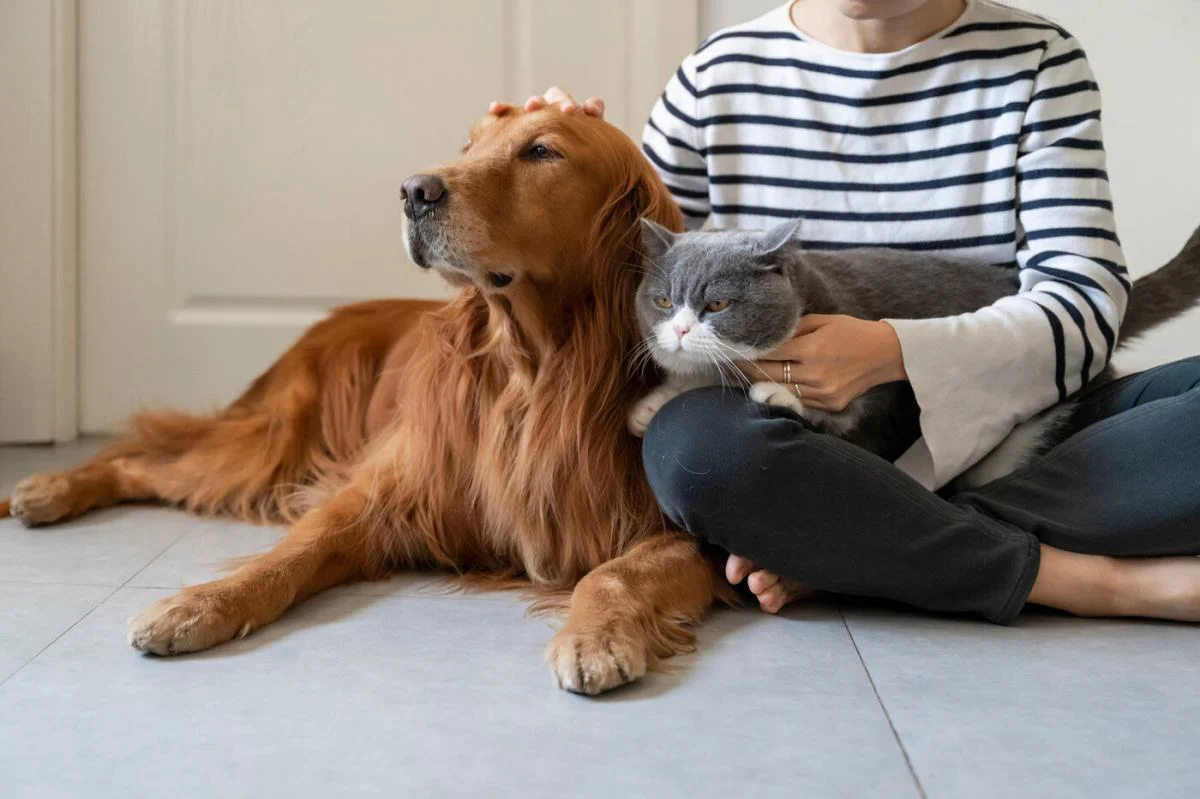
Petbnb, a Dutch platform that matches pet owners with trusted pet sitters, worked with OPP to make every booking safe for both sides. Pet owners could pay with iDEAL and PayPal, OPP Escrow held each payment until the stay was over, and every sitter was verified through OPP’s KYC checks. The integration took about a week.
Going on holiday is easy. Finding someone you trust with your dog or cat is not. Petbnb connects pet owners with sitters who look after animals in their own homes. Founded in the Netherlands in 2016, it went on to expand to Germany and Belgium, and at the time of this partnership it connected 200,000 pet lovers and processed thousands of payments a month. Trust is the whole product, and payments are where trust gets tested.
“You’re not just buying a product like an iPhone, but a personal service to ensure your ‘baby’ is in good hands. This means we are very much focused on having a verified user base and a solid payment flow to support a smooth relation between the pet owner and the pet sitter.”
Nicholas Latham, Co-founder of Petbnb
The partnership: automated, scalable payments for a trust-based marketplace
Petbnb came to OPP a year after launch. It needed payments that were automated, easy to scale and safe for both sides of a booking, and it wanted more ways to pay than a bank transfer. OPP set up iDEAL and PayPal, put Escrow underneath every booking and took on the verification of sitters. From then on, changes in regulation landed at OPP rather than at Petbnb.
The challenge: manual payments and money the platform should not be holding
In its first months, Petbnb handled the payments between owners and sitters by hand. With a modest user base and no PSD2 yet, that seemed logical. As the platform grew, it became too much to handle, and it left Petbnb holding and managing its customers’ money itself. iDEAL was the payment method Dutch users expected, and co-founder Nicholas Latham wanted to add PayPal as well. Only a year after its launch, Petbnb decided it was time to automate, scale and extend its payment options.
“iDEAL would be a game changer for us in terms of making payments easier and making it possible for everyone to pay on our platform. We discovered OPP was the first to receive a licence to provide C2C iDEAL payments in the Netherlands. As we connected, we experienced an instant click as they were very aware of the dynamics of our platform.”
Nicholas Latham, Co-founder of Petbnb
Our solution: iDEAL between private individuals, Escrow and KYC, live within a week
Petbnb’s pet owners and sitters are private individuals, so the platform needed a way for one consumer to pay another. OPP offered exactly that: consumer-to-consumer iDEAL payments, known as C2C iDEAL. OPP was the first certified provider of C2C iDEAL payments in the Netherlands, and Petbnb was the first platform to use them. The implementation took about a week.
Underneath the booking flow sat OPP Escrow: the owner’s payment was held in a third-party account, and the sitter was paid once the terms of the booking were met. Sitters also got their own dashboard to follow their transactions and earnings.
“As this kind of service is all about trust, we need to make the whole booking process as smooth as possible and need to reduce any fears people might have of things that might go wrong. Needless to say, payments are an incremental part of this process. From that perspective, the fact that OPP is supporting us with escrow payments is important.”

Nicholas Latham, Co-founder of Petbnb
Two years into the partnership, PSD2 came into effect. Petbnb did not have to change anything: because its payments already ran through OPP, it was compliant from day one. The same went for other regulation such as DAC7 and GDPR, and for the personal data Petbnb did not have to store because OPP held it.
OPP also built KYC checks into Petbnb’s user onboarding and could onboard users anywhere in the European Economic Area. When a sitter changed bank account without verifying it, OPP was notified automatically and took care of the check, which mattered as much for fraud risk as for trust.
“It’s needless to say that having verified users is essential to us. We also benefit from ongoing support on this. For instance, if users change their bank account and haven’t verified this account, OPP automatically will be notified and takes care of this. This is also reassuring from a fraud risk perspective.”
Nicholas Latham, Co-founder of Petbnb
The impact: a payment flow that grew with the platform
In the two years before this story was written, Petbnb doubled in its existing markets. It was adding services with third parties, such as grooming and training, and had international expansion on its radar. Trust takes time to build in a new country; payments do not. With OPP, setting up payments for a new market could be done in a day.
“Easy, smooth payments and fast payment confirmation are key to our platform. These things simply need to work. If it doesn’t, it kills the trust our users have in the platform, which affects our brand. At the end of the day, we only make money if people pay. OPP is therefore strategic to our success.”
Nicholas Latham, Co-founder of Petbnb
What this means for you: why service marketplaces need Escrow and verified users
If you run a marketplace where one person pays another for a service that happens later, Petbnb’s early set-up is probably familiar: payments handled by hand, money sitting with the platform, and a compliance bar that keeps rising.
A licensed payment partner takes that off your plate. Escrow holds the payment until the service is delivered, KYC keeps the user base verified, and regulation such as PSD2 and DAC7 becomes the provider’s job instead of yours.
Want to see how Escrow and verified onboarding could work for your platform? Get in touch to learn more.
Frequently asked questions
What is C2C iDEAL?
iDEAL is the most widely used online payment method in the Netherlands. C2C (consumer-to-consumer) iDEAL lets one private individual pay another through a platform, such as a pet owner paying a pet sitter. OPP was the first provider in the Netherlands licensed to offer it, and Petbnb was the first platform to use it.
How does escrow protect both sides of a service booking?
The customer pays when booking, but the money is held by OPP, not by the platform or the service provider. The provider is paid once the terms of the booking are met. On Petbnb, that meant the sitter was paid after the stay, and the pet owner knew the money would only move once the pet had been looked after.
Why should a marketplace not hold its customers’ money itself?
Petbnb started out handling payments by hand, which left it holding and managing its customers’ money. As the platform grew, that became too much work and too much risk, and under PSD2 it comes with licensing requirements. With OPP, the money sat with a licensed third party instead.
How can a marketplace verify the people it pays out to?
OPP built KYC (Know Your Customer) checks into Petbnb’s sign-up flow and could onboard users across the European Economic Area. When a sitter changed bank account without verifying it, OPP was notified automatically and handled the check, which also reduced the risk of fraud.
How long does it take to go live with payments on OPP?
For Petbnb it took about one week: it went live with iDEAL, PayPal and Escrow shortly after connecting to OPP.

Hyunji Kim
Content & PR Lead